Table of contents
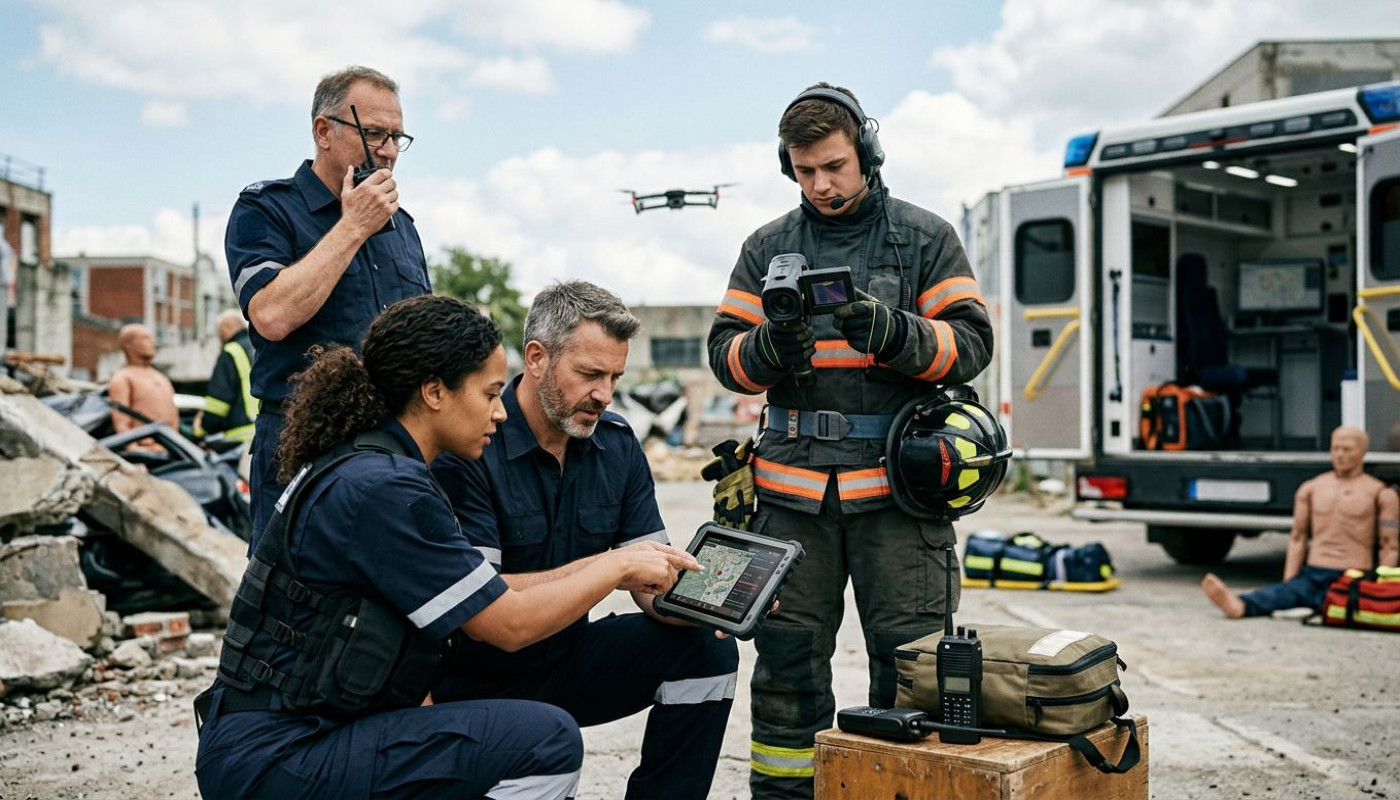
Advancements in emergency response technology have transformed the way disasters and crises are managed across the globe. These innovations promise faster communication, better resource allocation, and improved safety for both responders and the public. Delve deeper into this topic to uncover the pivotal shifts and emerging trends that are shaping the future of emergency services.
From analog to digital systems
The development of emergency response technology has seen a transformative shift from analog to digital communication systems, fundamentally altering how agencies manage crisis situations. In the past, traditional analog radios and landline telephones provided limited capacity for real-time information sharing, often leading to delays and miscommunication during emergencies. The digital transformation introduced robust platforms capable of transmitting voice, data, and even video simultaneously, greatly increasing speed and reliability while supporting enhanced situational awareness for responders. Digital communication systems now enable streamlined coordination across agencies and jurisdictions, empowering emergency personnel to make faster, better-informed decisions during high-pressure scenarios.
One of the most significant advancements introduced by digital transformation is interoperability, the ability of diverse systems and organizations to work together seamlessly. This ensures that police, fire, medical, and other crisis management teams can share critical information instantly, eradicating the siloes that once hampered efficient collaboration. The adoption of integrated communication protocols and platforms connects disparate entities, fostering a unified response whenever disaster strikes. For example, platforms designed for holistic information exchange are now referenced in various sectors, including public safety and specialized services, such as Gambling Sites Not on GAMSTOP, which require secure and reliable communication networks. This evolution in emergency response technology demonstrates the impact of digital innovation in safeguarding communities and supporting effective crisis management.
Integration of data and AI
Integrating large data sets with artificial intelligence has transformed emergency response operations, providing unprecedented capabilities in predictive analytics, real-time decision-making, and automated emergency alerts. Data integration allows emergency services to process vast quantities of information from sources like sensors, social media, and field reports, offering a comprehensive understanding of active situations. Artificial intelligence systems, using machine learning techniques, analyze these data streams to predict hazards, allocate resources efficiently, and issue timely emergency alerts. This advancement has raised the bar for both efficiency and accuracy in situations where seconds can save lives, minimizing human error and accelerating the response process. Given these rapid developments, it would be beneficial to invite a leading AI specialist to further elaborate on the evolving role of data-driven technologies in emergency management and the future potential of machine learning within this context.
Enhanced location tracking
The transformation of location tracking within emergency response has dramatically increased operational efficiency and life-saving potential. Early systems relied on basic GPS for geolocation, which provided responders with approximate positions. Over time, advancements such as real-time location systems have emerged, capable of delivering continuous, precise updates on the whereabouts of both victims and resources. This leap enables emergency teams to deploy support with pinpoint accuracy, optimizing routes and minimizing response times. Geographic information systems (GIS) play a pivotal role in this evolution; by layering real-time location data over detailed digital maps, GIS allows for sophisticated planning, coordination, and visualization of incident scenes. Integrating these technologies empowers teams to assess hazards, allocate equipment, and coordinate efforts with unmatched effectiveness. For deeper insights into the latest breakthroughs in geospatial solutions, input from a top geospatial technology expert would provide valuable perspectives on the future of emergency response and location tracking integration.
Mobile and wearable solutions
Mobile solutions and wearable technology have transformed emergency response by providing real-time emergency communication and health monitoring capabilities to both professionals and the public. Smartphones, equipped with GPS, specialized apps, and instant messaging, allow responders to receive live situational updates, coordinate logistics, and issue warnings directly to affected populations. Wearable devices such as smartwatches, fitness bands, and advanced vests equipped with biosensors continuously collect health metrics—ranging from heart rate and body temperature to blood oxygen levels—and transmit this data to command centers or healthcare providers. These biosensors are particularly valuable in the field, enabling rapid detection of deteriorating health conditions among responders and victims alike, and ensuring timely medical interventions. The integration of these technologies strengthens the overall resilience of emergency operations by creating reliable networks of information flow and personalized health insights during crises.
For the most experienced emergency technology innovators, leveraging mobile solutions and wearable technology means establishing direct communication channels not only between teams but also with the wider community. This approach empowers individuals to report incidents, request help, and receive instructions in real time, significantly improving the management and effectiveness of emergency responses. By harnessing data from biosensors, response teams can make informed decisions with precision, optimizing resource allocation and enhancing situational awareness. These advancements underscore a new era where emergency communication is immediate, personalized, and data-driven, marking a substantial leap in the capability to safeguard lives during critical moments.
The future of emergency response
As the landscape of emergency response continuously evolves, the integration of future technology is setting the stage for a profound transformation in how crises are managed. Emerging emergency response trends such as drone technology, augmented reality, and next-generation networks promise to redefine the speed, accuracy, and coordination of rescue efforts. Drone technology, for instance, is being refined to offer real-time aerial surveillance, rapid delivery of medical supplies, and even remote assistance in dangerous or inaccessible locations. These unmanned systems provide first responders with critical information, enabling swifter and more informed decision-making.
Among these innovations, augmented reality stands out as a tool with exceptional potential. Augmented reality is a technology that overlays digital information—such as maps, hazard warnings, or medical data—onto a user's real-world view through devices like smart glasses or mobile screens. In emergency scenarios, this capability allows responders to navigate complex environments, locate victims, and access dynamic instructions without diverting attention from the scene. Coupled with next-generation networks that enable seamless, high-speed data transmission, responders will experience enhanced situational awareness and communication reliability. These advancements signal a shift toward an era where future technology not only accelerates response times but also enhances the overall effectiveness of emergency operations.
Similar articles
Comprehensive Guide To Fast Withdrawal Options In Digital Casinos

Exploring The Impact Of Local Networks On Community Development

How Safe Is Your Money In Online Arcade Games?

How Regulatory Changes Affect Web App Development In The Gaming Industry

Comparing Popular Avian Adventure Games For Excitement Seekers

What To Consider When Partnering With A Casino Platform Provider?

Exploring The Benefits Of Phone-based Payment Methods For Online Gaming

Exploring The Latest Trends In Sustainable Fashion And Lifestyle

The Importance Of Community Feedback In Game Development

Exploring The Evolution And Strategy Of Plinko In Online Gaming

Maximizing Your Winnings In Trendy Online Money Games

Exploring The Growing Popularity Of Online Pachinko-Like Games

Pros And Cons Of Playing Casino Games On Mobile Devices

Exploring The Benefits Of Personalized Content Discovery Platforms

Exploring Traditional Japanese Crafts Through Modern Online Platforms

The Impact Of User Interface Design On Online Gambling Experiences

Exploring The Legality And Benefits Of Foreign Scratch Card Sites

Analyzing The RNG: How Fair Are Online Casino Games?

The Health Benefits Of Playing Floorball: A Sport For All Ages

Exploring The Thrill And Strategy Of Penalty Shootout Games In Online Casinos

Keno Uncovered: The Lottery's Lesser Known Cousin

The House Always Wins? Debunking Gambling Myths

Breaking the Bank: Inside the Biggest Casino Wins in History
